Rising energy prices, rising raw material costs, pressure on wages… For the managers of VSEs and SMEs, inflation is no longer a statistic, it’s a daily challenge.
In this context, protecting margins becomes an absolute priority. While acting on sales prices is tricky, optimising your internal costs is a powerful lever. And this is where the automation of your document and pre-accounting management comes in.
Find out how to turn an administrative obligation into a real anti-inflation shield.
1. Drive out the “hidden costs” of manual processing
Did you know that the manual processing of a paper invoice or a simple PDF costs a company between €14 and €20 on average? This cost is not linked to the paper itself, but to the human time involved:
- Receiving and sorting documents.
- Manual data entry (with the associated risk of errors).
- Internal validation circuit.
- Physical archiving.
By automating these tasks with a solution like Azopio, you can reduce this processing cost by up to 80%. In times of inflation, every hour of work reallocated to higher value-added tasks is a direct gain in productivity.
2. Real-time visibility of your cash flow
In times of high price volatility, running your business with a “rear-view mirror” (waiting for the accountant’s balance sheet) is dangerous. Automation means that accounting can be done as and when required.
- Spend tracking: You can view your spending commitments in real time, rather than three months later.
- Rapid adjustment: If a supplier’s price rises sharply, you can immediately detect it on your Azopio dashboards and react (negotiate or change supplier).
3. Avoid penalties and optimise discounts
Inflation is often accompanied by rising interest rates. More than ever, “time is money”.
- Zero late payment penalties: reminders and penalties for forgetting to send an invoice are unnecessary costs. Automation ensures that every document is processed on time.
- Early payment discounts: Conversely, being able to pay quickly thanks to a smooth validation circuit can enable you to negotiate discounts with your suppliers, a winning strategy for offsetting price rises.
4. Preparing for 2026 without having to undergo investment
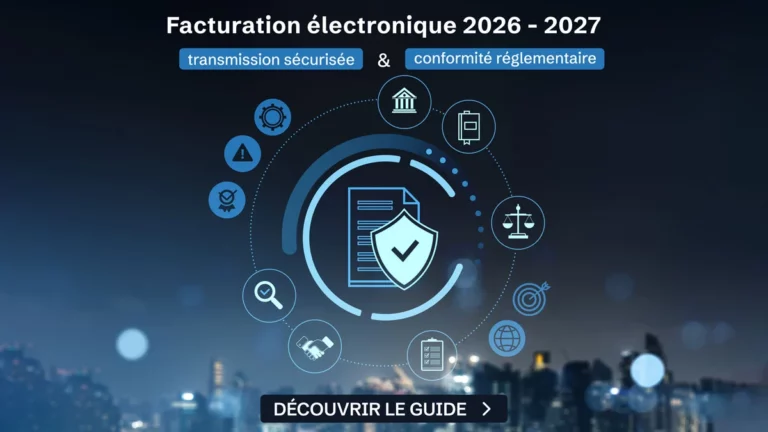
The transition to compulsory electronic invoicing (from September 2026 for reception) will in any case require a technological transition.
If you wait until the last moment, you run the risk of having to invest in a hurry, under duress, and sometimes at great cost. By adopting an approved dematerialisation platform like Azopio now, you can smooth out the adjustment process. You can turn regulatory compliance into a project that is immediately profitable.
Did you know? Companies that have already automated their document management have seen a significant reduction in their DSO (Days Sales Outstanding), a key factor in maintaining working capital requirements.
Conclusion: Operational efficiency as a growth driver
Inflation reduces your room for manoeuvre, but it also accelerates change. Automating your pre-accounting with Azopio is not just about “going digital”, it’s about regaining control over your fixed costs and securing the future of your business.
Ready to turn your document management into a profit centre?