
Approved PA platform registered with the DGFiP: how do you check?
Why check that an Approved PA Platform is registered? With the reform of electronic invoicing, it will be compulsory for B2B invoices to be sent and received via an Approved Platform (AP) registered with the Directorate General of Public Finance (DGFiP). ⚠️ Not all billing solutions are Approved Platforms. An unregistered platform exposes your company […]
How to enter and send invoices in compliance with the electronic invoicing reform: instructions for use
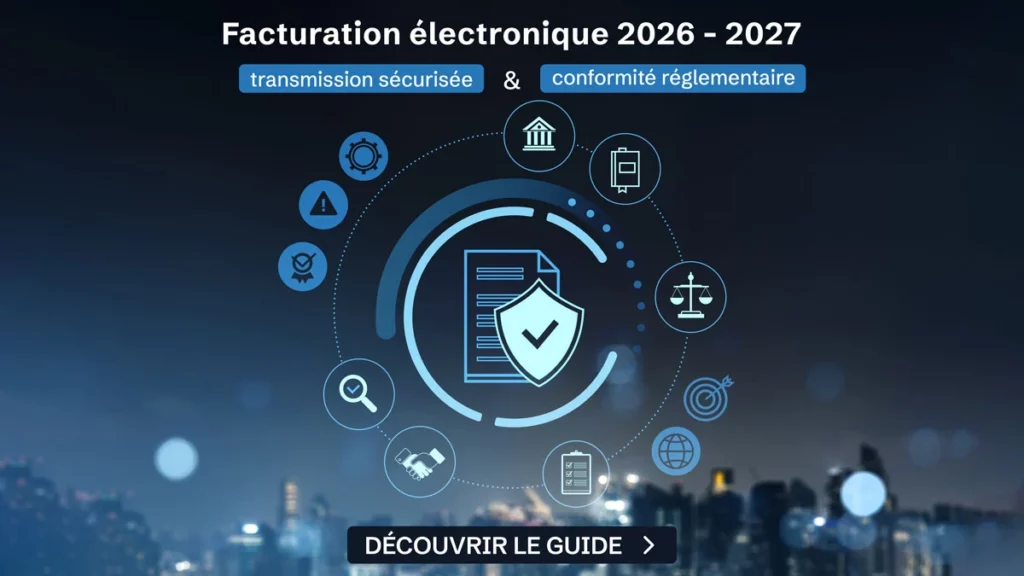
The reform of electronic invoicing is progressing apace. While the timetable offers some breathing space for VSEs and SMEs to issue their invoices, the operational reality will change from 2026 onwards. As an Authorised Paperless Platform (AP), Azopio guides you through the practicalities of processing your invoices in the future. 1. Calendar reminder: don’t be […]
Dematerialised invoicing or electronic invoicing: don’t make the mistake again!
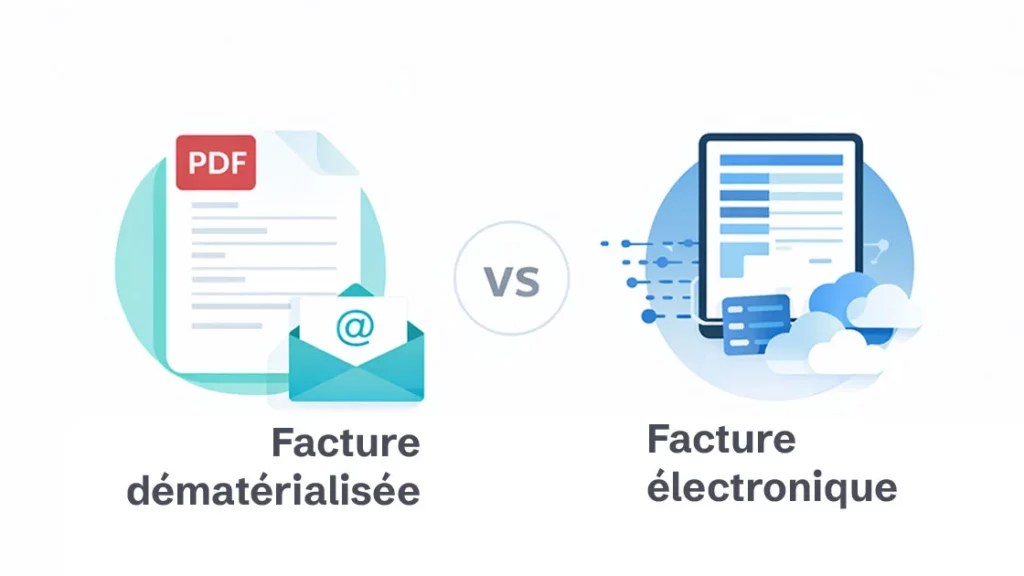
With the gradual arrival of the invoicing reform between 2026 and 2027, the accounting vocabulary is being enriched… and sometimes confused. We hear the terms “digital invoice”, “PDF”, “dematerialised invoice” or “electronic invoice”. However, for the tax authorities, these terms do not mean the same thing. As an Authorised Electronic Document Platform, Azopio can help […]
Controlling costs in a period of inflation: why automate your document and pre-accounting management?
Rising energy prices, rising raw material costs, pressure on wages… For the managers of VSEs and SMEs, inflation is no longer a statistic, it’s a daily challenge. In this context, protecting margins becomes an absolute priority. While acting on sales prices is tricky, optimising your internal costs is a powerful lever. And this is where […]
What information must appear on an electronic invoice?
The switch to electronic invoicing is a major turning point for the management of French companies. As an accredited e-invoicing platform, Azopio can help you understand the timetable and, above all, the new compliance rules. If the formalities are changing, it’s to transform the invoice into a truly secure data flow. Here’s what you need […]
Electronic invoicing: preconceived ideas versus reality
Electronic invoicing is gradually coming into its own, but there is still a lot of confusion surrounding it: PDF, email, platforms, timetables, obligations, etc.These preconceived ideas can give the impression that you’re ready, when in fact certain key points are misunderstood. Let’s take a look at the most common misconceptions, and the regulatory reality that […]
Electronic invoicing 2026: do companies have to use an Approved Platform?
Under the current implementation of the Electronic Invoice Reform in France (from September 2026), a company will not simply be able to ‘publish’ invoices directly to the Public Billing Portal (PPF). Instead, the actual transmission of electronic invoices (sending and receiving) must go through an Approved Platform (AP) or a solution interconnected to an AP. […]
Pre-accounting: the missing link between management and accounting

Why we often get everything mixed up (and why it’s expensive) In many VSEs/SMEs, “doing the accounts” mainly means finding invoices, filing them, sending them to the firm, responding to requests for supporting documents, etc.This is not yet accounting in the legal sense. It’s pre-accounting. And it is precisely this often overlooked stage that makes […]
Mandatory electronic invoicing: are micro-businesses affected?

You’ve probably already heard about compulsory electronic invoicing, without necessarily knowing what it means in practical terms for your business.This reform, which will gradually come into force from 2026, also affects micro-businesses, including those that do not charge VAT. Let’s take a simple look at the situation. What is electronic invoicing? Electronic invoicing refers to […]