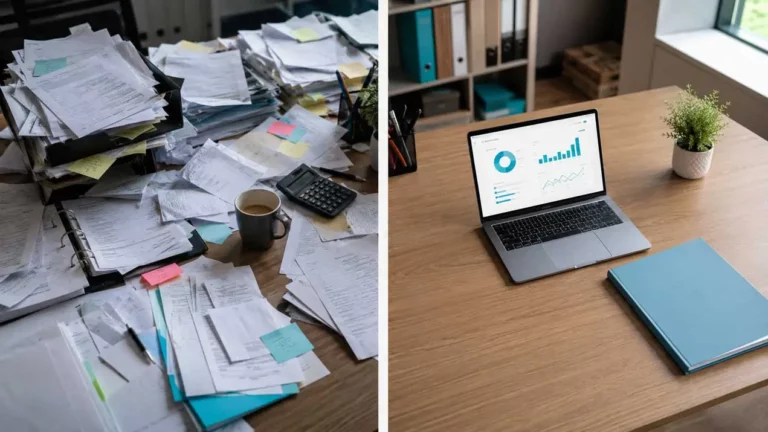
No, a PDF is not an electronic invoice. Although it is a digital document, it does not meet the technical and legal criteria that define a genuine electronic invoice. This distinction is crucial, especially now that the reform of electronic invoicing has come into force in France.
PDF: a digital document, not an e-bill
PDF (Portable Document Format) is a file format widely used to represent documents in a fixed, universal way. In accounting, it is often used to exchange invoices, either by scanning them or exporting them from invoicing software. However, a PDF is only a digital image of an invoice. The information it contains is not structured in a way that can be used by a machine.
For a PDF to become a compliant electronic invoice, it must be accompanied by a structured data file (such as an XML or JSON file) containing all the invoice information (amount, VAT, invoice number, etc.) in a form that can be read by a computer. This is known as a hybrid electronic invoice format, such as Factur-X.
The true definition of an electronic invoice
An electronic invoice is much more than just a digital version of a document. It is a document that has been created, transmitted and received in a strictly structured and standardised format, enabling automated processing without human intervention. It must guarantee the legibility, integrity and authenticity of the information.
The main feature of an electronic invoice is its ability to be processed by software. The data it contains (such as the supplier’s name, SIREN number, amount before tax, VAT, etc.) is organised in such a way that it can be directly extracted and integrated into an information system, such as your Azopio pre-accounting software.
The most common electronic invoice formats are :
- Factur-X: A hybrid format that combines a PDF for human readability and an embedded XML file for machine processing.
- UBL (Universal Business Language): A pure XML format, ideal for exchanges between machines, but unreadable without a specific tool.
- CII (Cross Industry Invoice): Another XML-based format, also used for automated exchanges.
Why distinction is crucial for your business
With the entry into force of the reform of electronic invoicing in France, the distinction between a simple PDF and an e-bill has become a legal obligation for most companies. The aim of the reform is to modernise accounting management, combat VAT fraud and simplify declarations.
For you, this means that simply receiving and storing PDFs will no longer suffice. You will need to be able to receive and issue invoices in electronic format, i.e. in a structured format that can be transmitted via an approved dematerialisation platform.
Solutions like Azopio are here to help you make the transition. By automating the collection, processing and management of your invoices, they will not only enable you to comply with the new obligations, they will also save you precious time and make your accounting data more reliable.
In conclusion, while PDF is a practical tool for viewing invoices, it is not the solution for complying with the e-invoicing reform. Adopting a genuine dematerialisation solution, which is also an Approved Platform, means preparing for the future and transforming a constraint into a genuine opportunity for optimisation.