
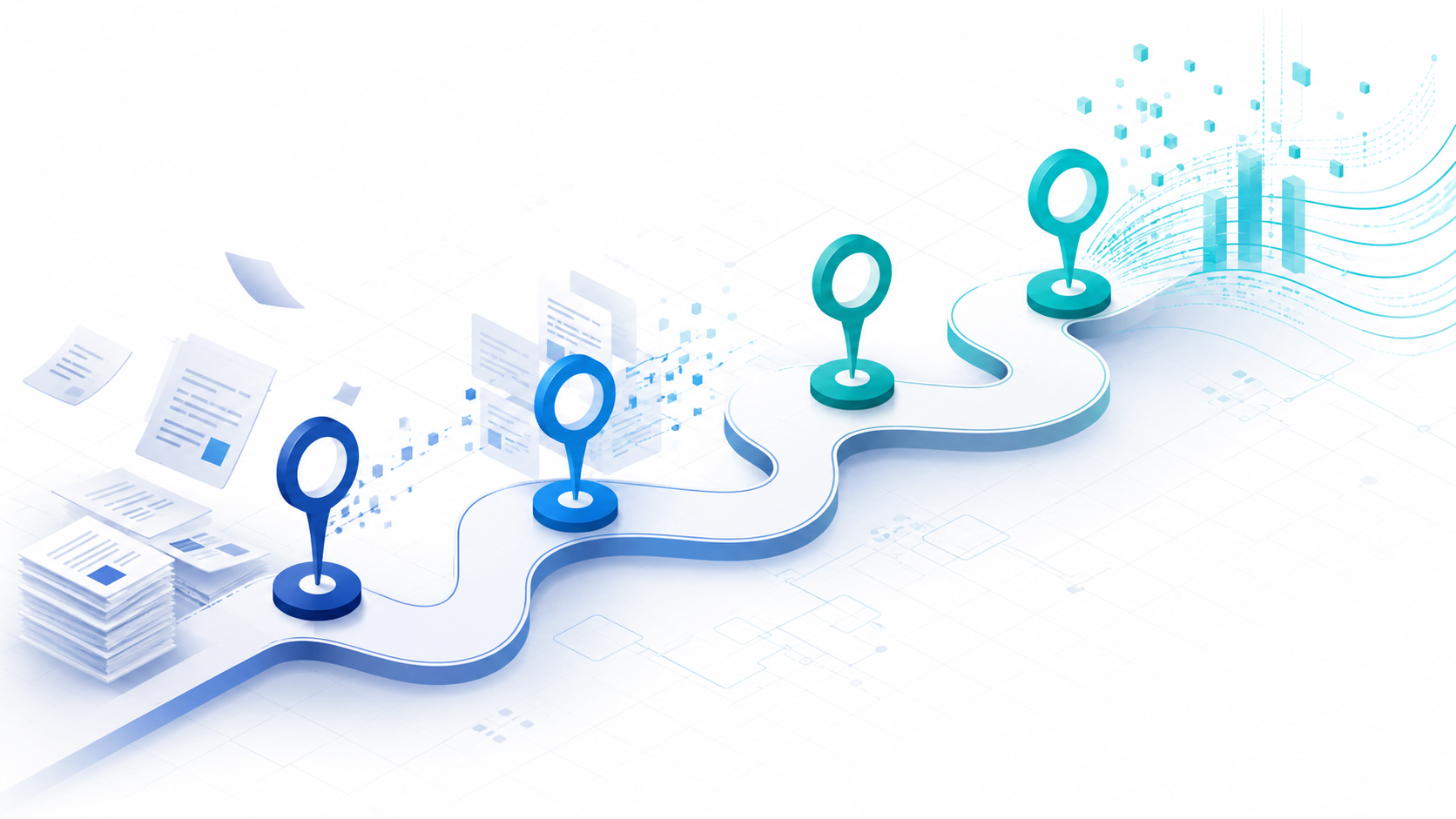
The reform of electronic invoicing will reach a decisive milestone in 2026. For many businesses, micro-enterprises, SMEs and accountancy firms, the time for questions is over; it is now time for action. Making the transition from traditional invoice management to a 100 per cent paperless workflow involves selecting and implementing an Approved Platform (PA).
How can you make this transition a success without disrupting your day-to-day operations? Here is your step-by-step roadmap for a smooth migration to an Approved Platform by 2026.
1. Why will the move to an Approved Platform (AP) affect me from 2026?
The Approved Platform (PA) is the central player in the new e-invoicing ecosystem. As a reminder, following the regulatory update, PDPs have officially become Approved Platforms (PA). Registered with the tax authorities, the AP handles the issuance, receipt, verification and transmission of electronic invoices in the prescribed format (notably the Factur-X format), whilst also transmitting the necessary data to the State (e-invoicing and e-reporting).
Beyond mere legal compliance, adopting an effective emergency plan offers immediate benefits:
- Significant time savings on entering and processing invoices.
- Reduction in errors and disputes between suppliers and customers.
- Real-time tracking of payment statuses.
- Enhanced security for financial data.
To fully understand the issues at stake and the registration criteria, please refer to our dedicated analysis to learn all about the Approved Platform (PA) and how to choose the right one.
2. The 4 steps to a successful migration in 2026
Step 1: Map out your workflows and prioritise incoming tasks
The legal timetable is phased: from 1 September 2026, all micro-enterprises and SMEs will be required to be able to receive their invoices in electronic format. This is the top priority: ensure you have an Approved Platform (AP) set up to receive, validate and process invoices from your major suppliers.
As regards issuing your own invoices, the legal requirement for micro-enterprises and SMEs will not come into force until 1 September 2027. However, the period from September 2026 to September 2027 should serve as a springboard to prepare for this second phase. Make the most of this period to:
- Compile a list of your customer data (SIREN/SIRET numbers, billing addresses, intra-Community VAT numbers).
- Audit of your invoice templates and verification of the mandatory details required for electronic invoices (nature of the transaction, option to pay tax based on debits, etc.) in order to avoid any automatic rejection when the mandatory issuance requirement comes into force.
Step 2: Check interoperability and integration with your document management system
One of the key criteria when choosing your Approved Platform (AP) is its ability to integrate seamlessly with your existing software (ERP, management tools). It is crucial to link the AP to a storage solution: find out more about the essential link between document management systems and e-invoicing to ensure compliance and the secure archiving of your documents.
Azopio’s advice: Opt for a flexible solution that fits naturally into your day-to-day routine, rather than forcing your teams to make a radical change to their habits.
Step 3: Automate pre-accounting and reconciliations
The transition to pre-accounting should not be limited to the simple process of sending and receiving documents. To reap the full benefits of digitisation, integrate the PA into the heart of your management processes. By automating the collection and categorisation of documents, pre-accounting enables managers of micro-enterprises to regain control over financial management and to facilitate automated bank reconciliation.
Step 4: Train and support your teams
80 per cent of a migration project’s success depends on user buy-in. Plan short training sessions for your accounts and sales teams to ensure they are familiar with the new invoice statuses (submitted, approved, rejected, paid).
3. Why should you trust Azopio to manage your transition?
At Azopio, we have designed our solution to make document and financial management as straightforward as possible for micro-businesses, SMEs and chartered accountants. By helping you make the switch to electronic invoicing, Azopio continues to do what it does best: automating the collection, centralisation and transmission of your accounting documents, hassle-free.
In conclusion
Migrating to an Approved Platform (AP) in 2026 is not just a regulatory requirement: it is a powerful driver of modernisation and productivity for your business. By addressing the approval requirement today and calmly preparing for the issuance aspect in 2027, you are turning a legal constraint into a genuine competitive advantage.