What is e-invoicing?
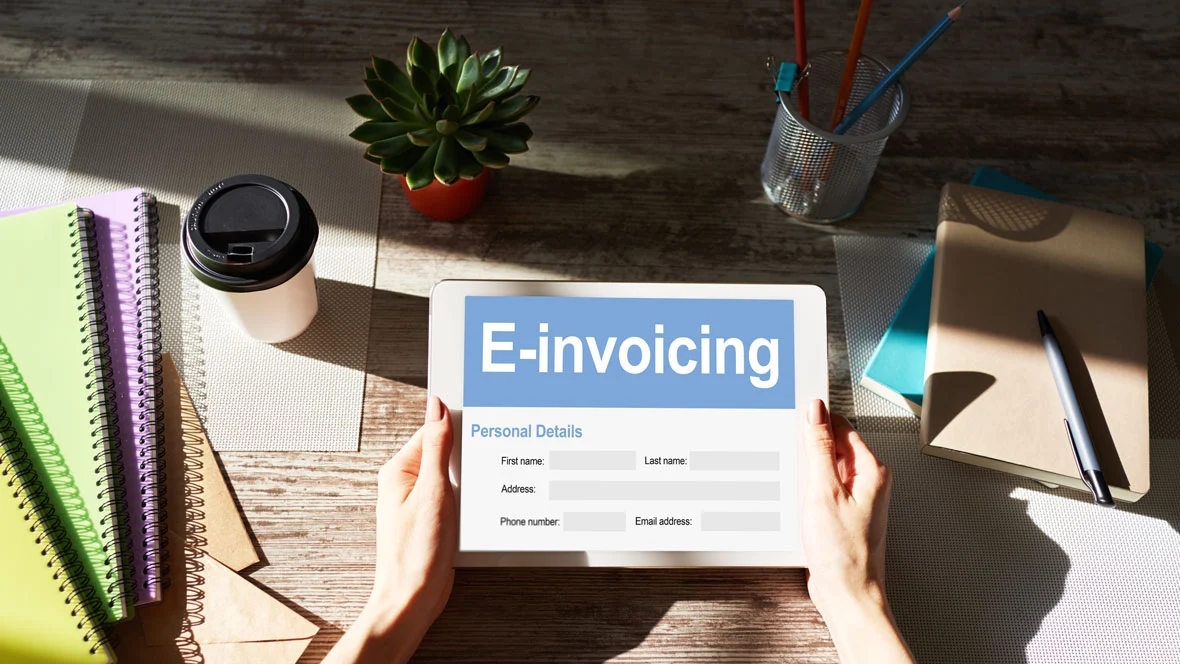
L’e-invoicing, orelectronic invoicing, designates the entire process of creation, emission, transmission, reception and archiving ofinvoices in digital format. Unlike a simple PDF invoice sent by email, an electronic invoice isissued and received in a structured format (XML, UBL, Factur-X, etc.), allowing automatic processing by accounting or ERP software.
In other words, e-invoicing goes well beyond dematerialization: it allows acomplete and automated data integrationbetween customers and suppliers, without manual re-entry.
Why switch to e-invoicing?
E-invoicing has many advantages:
- Cost reductionrelated to printing, mailing and paper archiving.
- Save timethanks to the automation of accounting processing.
- Reducing errorshuman resources and payment delays.
- Improved traceability and transparencyin trade.
- Compliance with legal obligations, particularly in the European Union where e-invoicing is gradually becoming mandatory.
In France, for example, e-invoicing is already mandatory for public contracts (via the Chorus Pro platform) and will be extended to the private sector from2026for all businesses, as part of the tax reform linked to thefight against VAT fraud.
How does e-invoicing work?
The process is based on apartner dematerialization platform (PDP)The company issues the invoice via its system, it is transmitted to the platform which verifies it, archives it, then transmits it to the customer in a readable and structured format.