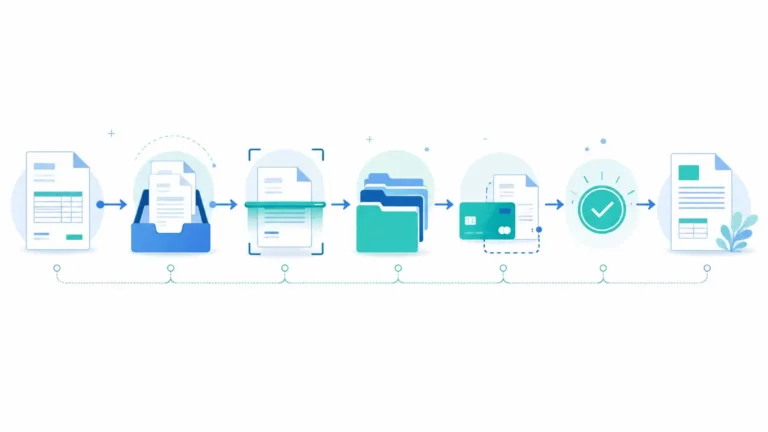

The 2026–2027 electronic invoicing reform is radically transforming the way French businesses operate. At the heart of this transition lies a key technical decision: should companies opt for a native Approved Platform (PA) or settle for a Compatible Solution (SC)?
Whilst many software packages claim to be “ready for the reform”, the distinction between these two models is crucial for the security and smooth running of your accounting. Here are the reasons why opting for a native infrastructure is a strategic choice.
1. Native PA: Ensuring your tax compliance
An Approved Platform is not merely a management tool. It is an entity registered with the DGFiP that has the legal authority to act on behalf of your company.
Unlike a Compatible Solution (CS), which acts merely as an interface, a native PA such as Azopio has the technical capabilities to:
- Confirm that your invoiceshave been issued and officiallyreceived.
- Extract and send tax data directly to the tax authorities (e-reporting).
- Manage the entire invoicelifecycle (submission, rejection, payment) independently.
Using a compatible solution means introducing an intermediary between your software and the administration, whereas a native API ensures a direct and secure connection.
2. Fewer intermediaries for enhanced security
In the world of accounting data, the growing number of stakeholders increases the risk of data flow disruptions or synchronisation errors.
By choosing a native PA, you’ll benefit from:
- A single point of contact: You have a single point of contact for your management interface and for your tax compliance.
- Complete data integrity: Your invoices do not pass through third-party servers before reaching their destination. They are processed, validated and sent within the same ecosystem.
3. Interoperability: Freedom beyond software
This is a point we explored in more detail in our comparison of Azopio versus other payment providers.
A native PA is legally required to be interoperable. This means that Azopio can communicate directly with any other approved platform on the market, regardless of which one your supplier or customer uses. “Compatible Solutions”, on the other hand, depend on technical agreements and the quality of the third-party connectors they use, which can create digital silos.
4. Automation and real-time visibility
Choosing a native infrastructure offers a level of responsiveness that compatible solutions struggle to match. As the platform is directly connected to electronic invoicing networks:
- You know immediately whether an invoice has been received, viewed or rejected.
- Errors are dealt with instantly, avoiding the tedious back-and-forth between two different software programmes.
Key point: A compatible solution often provides an excellent business interface, but it remains dependent on an external infrastructure for the legal validity of its transactions. A native PA, on the other hand, bears the legal and technical responsibility for your data flows.
Conclusion: Why did Azopio opt for accreditation?
At Azopio, our mission has always been to make life easier for business owners and accountants. Becoming a native Approved Platform was therefore a natural step.
By incorporating all the requirements of the reform natively, we offer our users complete autonomy, enhanced security and full control over costs, without having to rely on third-party providers. This ensures a smooth transition towards 2026.
Would you like to compare the different approaches to the market? Take a look at our detailed analysis: Azopio vs other affiliate networks: How to make the right choice?
Ready to switch to native e-invoicing?
Request a personalised demonstration of Azopio